As the year draws to a close, the global trade and logistics landscape continues to evolve with new policy adjustments, market rulings, and innovative trials. While these developments may appear scattered, they collectively outline the opportunities, challenges, and future direction of supply chains. To help you efficiently grasp the pulse of the industry, we have compiled the latest key dynamics for you.
----------------------------------------------------------------------------------------------------------------------------------------------------------------------------------------------------------------------------
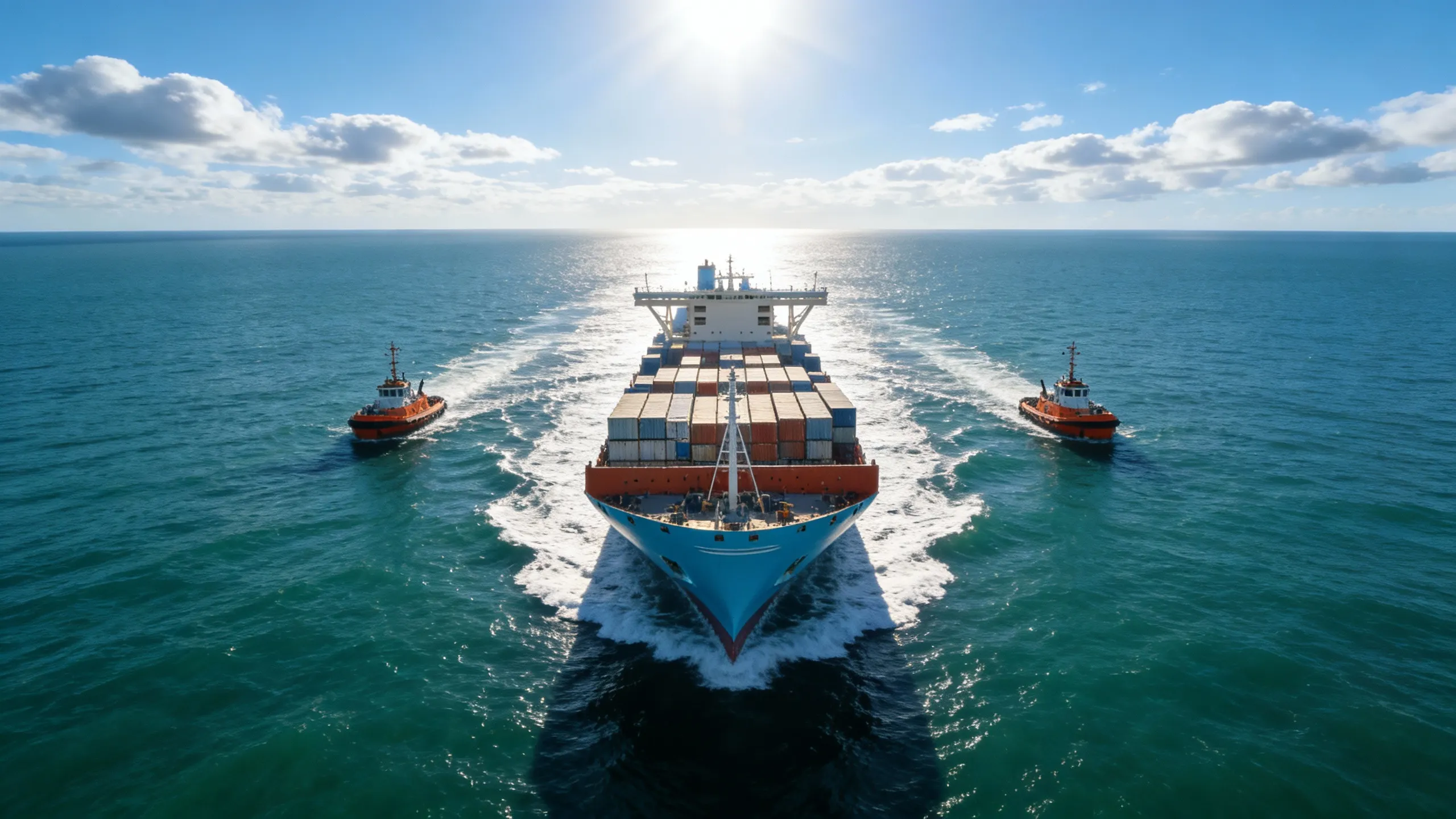
1. G7 Trade Ministers' Meeting Focuses on "Reciprocal Trade"
In a recent statement from the G7 Trade Ministers' meeting, emphasis was placed on taking action against "non-reciprocal trade practices," which may include imposing tariffs. This signals a potentially more assertive trade policy stance from major developed economies, adding new layers of policy uncertainty to the global trade environment.
2. U.S. Court Mandates Greater Transparency in Customs Ruling Changes
In a significant ruling, the U.S. Court of International Trade required U.S. Customs and Border Protection to provide affected importers with reasonable explanations and transition periods before changing rulings on matters such as commodity classification. This decision enhances the predictability of trade compliance, benefiting companies in their long-term logistics and customs planning.
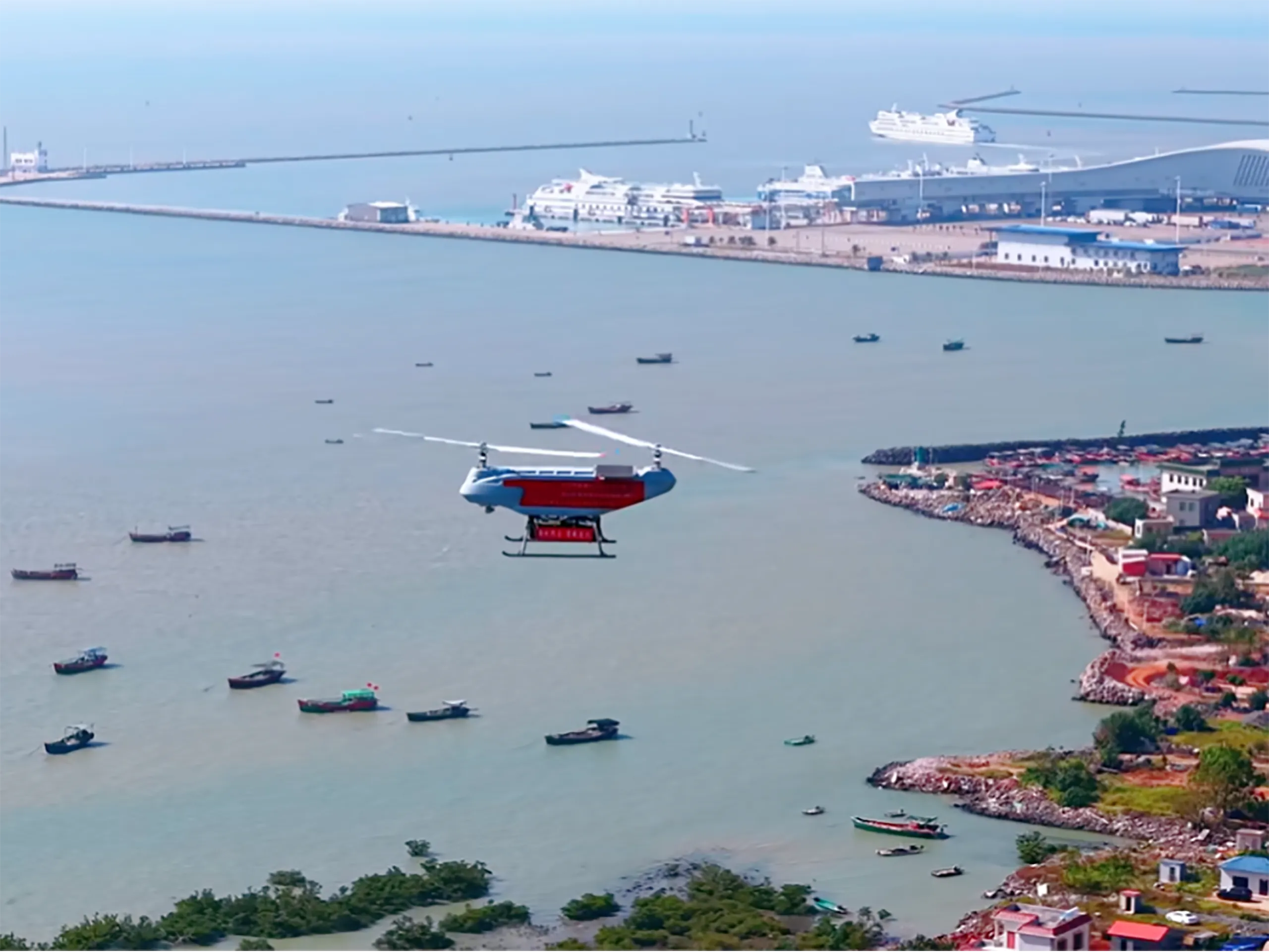
3. Drone Completes Ultra-Long-Distance Island Logistics Delivery Test
A domestic logistics company recently successfully completed a test involving parcel delivery by drone from Guangdong to the Xisha Islands, with the flight distance far exceeding conventional urban applications. This test validates the technological potential of drones in addressing last-mile delivery challenges in remote areas such as outlying islands and border regions.
Source: The Paper
4. China Resumes Poultry Imports from Belarus
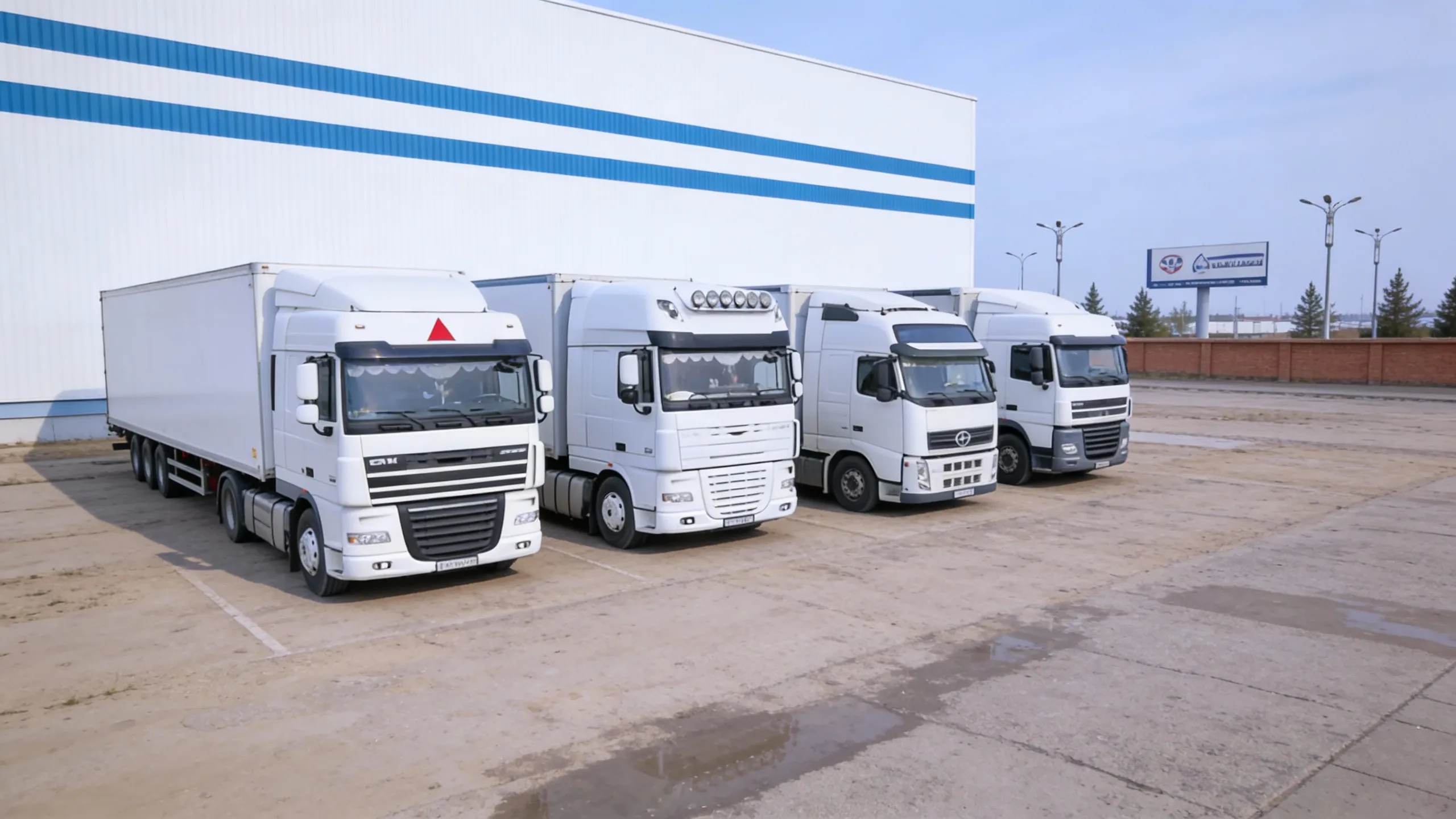
The General Administration of Customs of China issued an announcement in December 2025, lifting the import restrictions on poultry products from Belarus that were imposed due to avian influenza concerns. This decision will reopen a significant channel for agricultural product imports, expected to boost demand for related cold chain logistics.
5. Aviation Supply Chain Tests Biofuels to Reduce Carbon Footprint
Singapore Airlines is collaborating with Daimler Truck to test Hydrotreated Vegetable Oil biofuel for ground cargo vehicles in Singapore. This is a concrete step by the aviation industry to promote greening within its ground service supply chain as part of broader emission reduction goals.
6. U.S. Launches Safeguard Investigation on Tires from Thailand
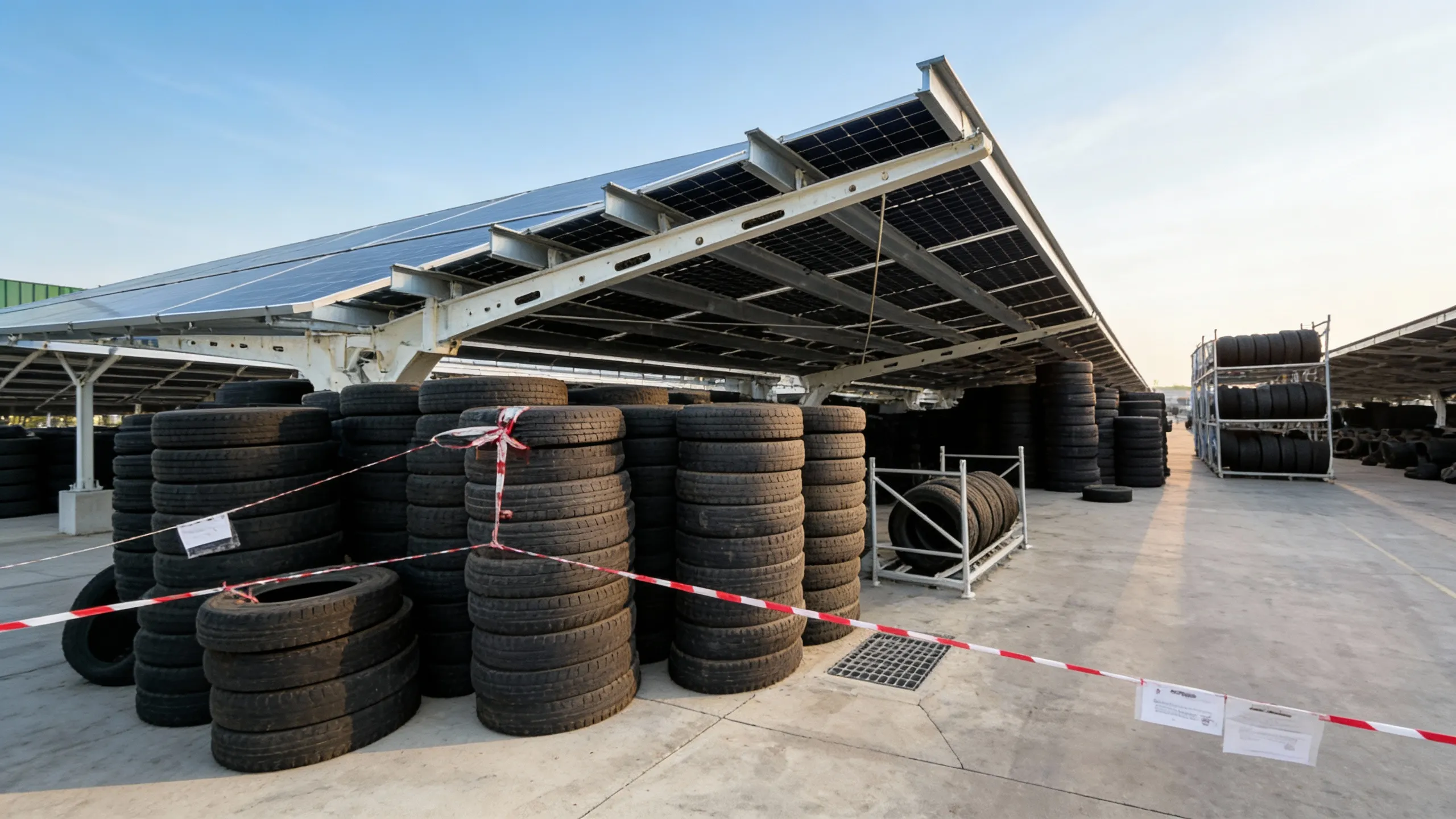
The U.S. International Trade Commission voted on December 13, 2025, to initiate a global safeguard investigation into passenger vehicle and light truck tires imported from Thailand. This move could potentially lead to future tariffs or import quotas on the relevant products, impacting supply chain layouts and cost structures for related industries.
----------------------------------------------------------------------------------------------------------------------------------------------------------------------------------------------------------------------------
LOADSTAR SHIPPING OBSERVATIONS
This week's collection of dynamics highlights three core dimensions that international logistics operators must now prioritize:
First, the importance of rules and compliance is more critical than ever. From the U.S. investigation into Thai tires and the G7's assertive trade statements to the court's demand for transparency in customs rulings, it is evident that global trade is in a "period of rule reshaping." Businesses face not only traditional transportation issues but also complex policy risks and compliance costs. This means that when selecting a logistics partner, its customs expertise, insight into trade policies, and early warning mechanisms are as crucial as its transportation capabilities.
Second, building supply chain resilience requires attention to more granular scenarios. China's resumption of poultry imports from Belarus signifies the reopening of specific cold chain corridors, while the ultra-long-distance drone delivery test points to logistics solutions for extreme geographical conditions. This reminds us that supply chain resilience lies not only in backing up main arteries but also in establishing channels for niche markets and special product categories, as well as delivery capabilities for unique endpoints. A robust logistics network should ensure the smooth flow of both "major arteries" and "capillaries."
Finally, sustainable development is moving from commitment to concrete action. Singapore Airlines' testing of biofuels in its ground cargo operations is a specific, tangible step in the industry's green transition. Green logistics is no longer just a promotional concept but is becoming a real operational option and a potential future client requirement. Understanding and planning for green logistics pathways in advance is becoming part of a company's long-term competitiveness.
In the face of these disparate yet profound changes, LOADSTAR SHIPPING believes the optimal strategy is to collaborate closely with a logistics partner that possesses a global perspective, localized compliance capabilities, and a commitment to continuous innovation. We are dedicated not only to transporting your goods but also to navigating you through the complex trade environment, working together to build a more forward-looking and resilient supply chain system.
----------------------------------------------------------------------------------------------------------------------------------------------------------------------------------------------------------------------------
The winds are changing, and the course must be adjusted accordingly. Truly smooth sailing stems from a deep understanding of the charts and steady command of the helm.