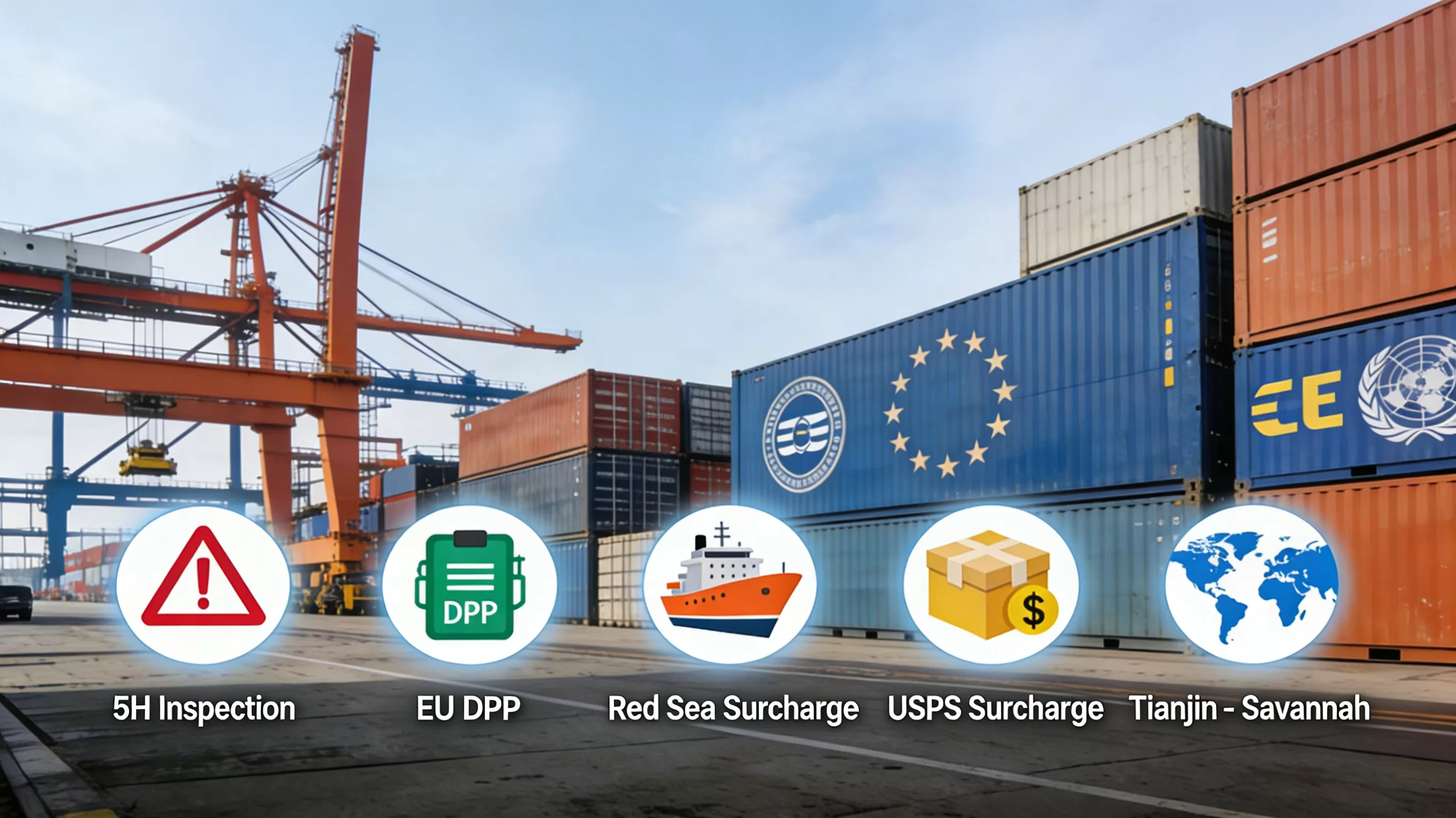
April 2026 has seen the global logistics industry's "storm center" continue to expand. From surging U.S. Customs "5H" inspection rates and a blockade in the Strait of Hormuz pushing up fuel and insurance costs, to a joint policy announcement from six Chinese ministries supporting overseas warehouses and compliant cross-border trade — importers, exporters, and logistics providers alike are facing a new landscape of rules and costs this April.
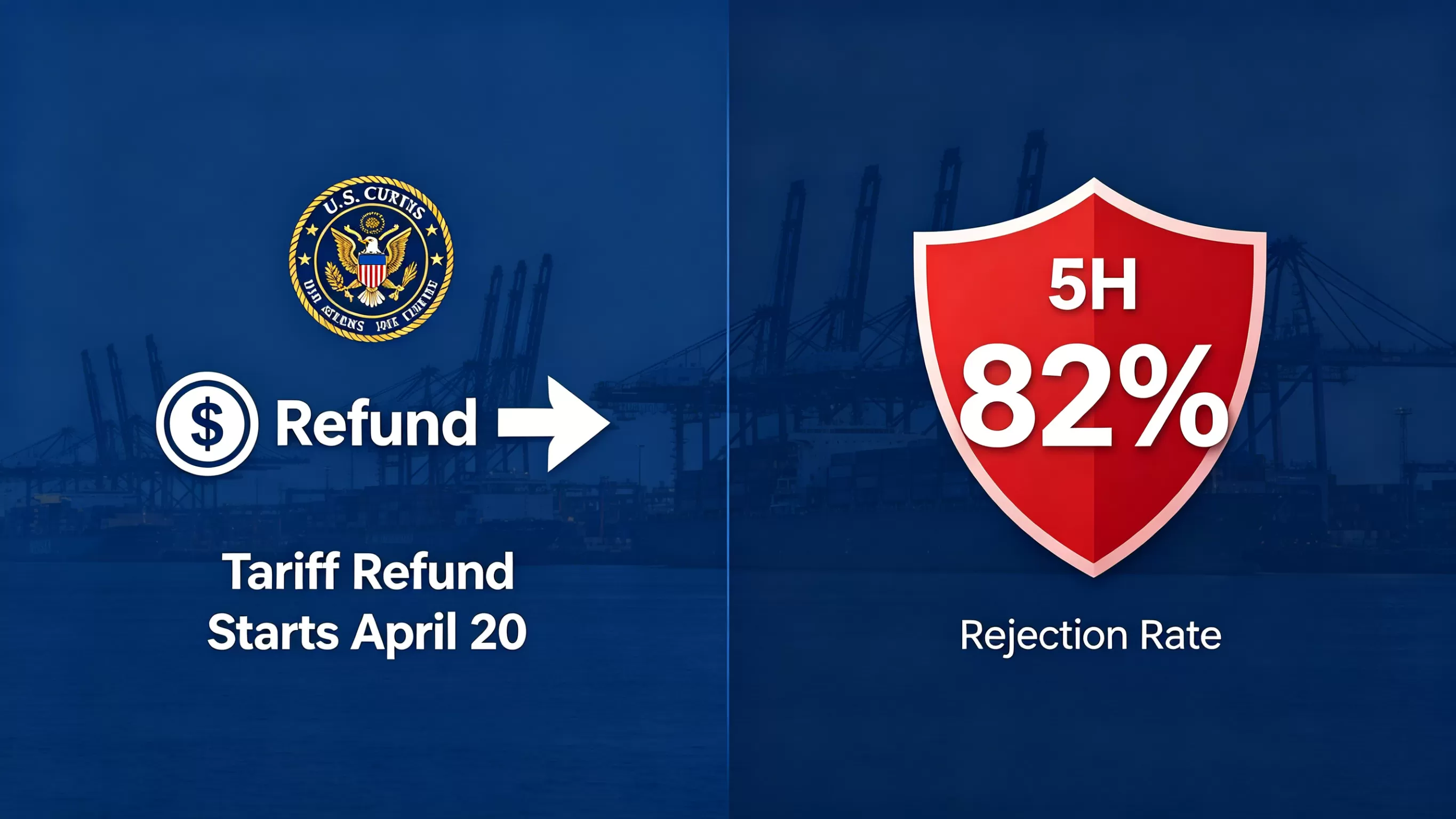
I. U.S. Customs Launches Tariff Refund Process as "5H" Storm Intensifies
What Happened:
Starting April 20, U.S. Customs and Border Protection (CBP) will begin a large-scale tariff refund process covering import duties that were overpaid or misclassified. Meanwhile, the "5H" special inspection program remains aggressive — data shows that in February, 3,826 Chinese export containers triggered "5H" inspections, of which 3,137 were forced into re-export, a rejection rate of 82%.
Key Impacts:
-
Importers should proactively review their tariff payment records from the past year and file refund claims promptly.
-
"Trade authenticity" reviews under "5H" have become routine; documentation preparation cannot afford any slack.
-
LCL shipments face amplified risk — a single documentation failure can lead to an entire container being rejected.
LOADSTAR Recommendation:
Importers should establish an internal "5H" document self-check list (purchase contracts, domestic transport records, bank payment evidence, U.S. importer entity credentials, legal representative identification) and retain complete records for at least two years. For tariff refunds, it is advisable to work with a professional customs team to avoid missing the window due to improper handling.
II. Strait of Hormuz Blockade Sends Transatlantic Freight Rates Soaring
What Happened:
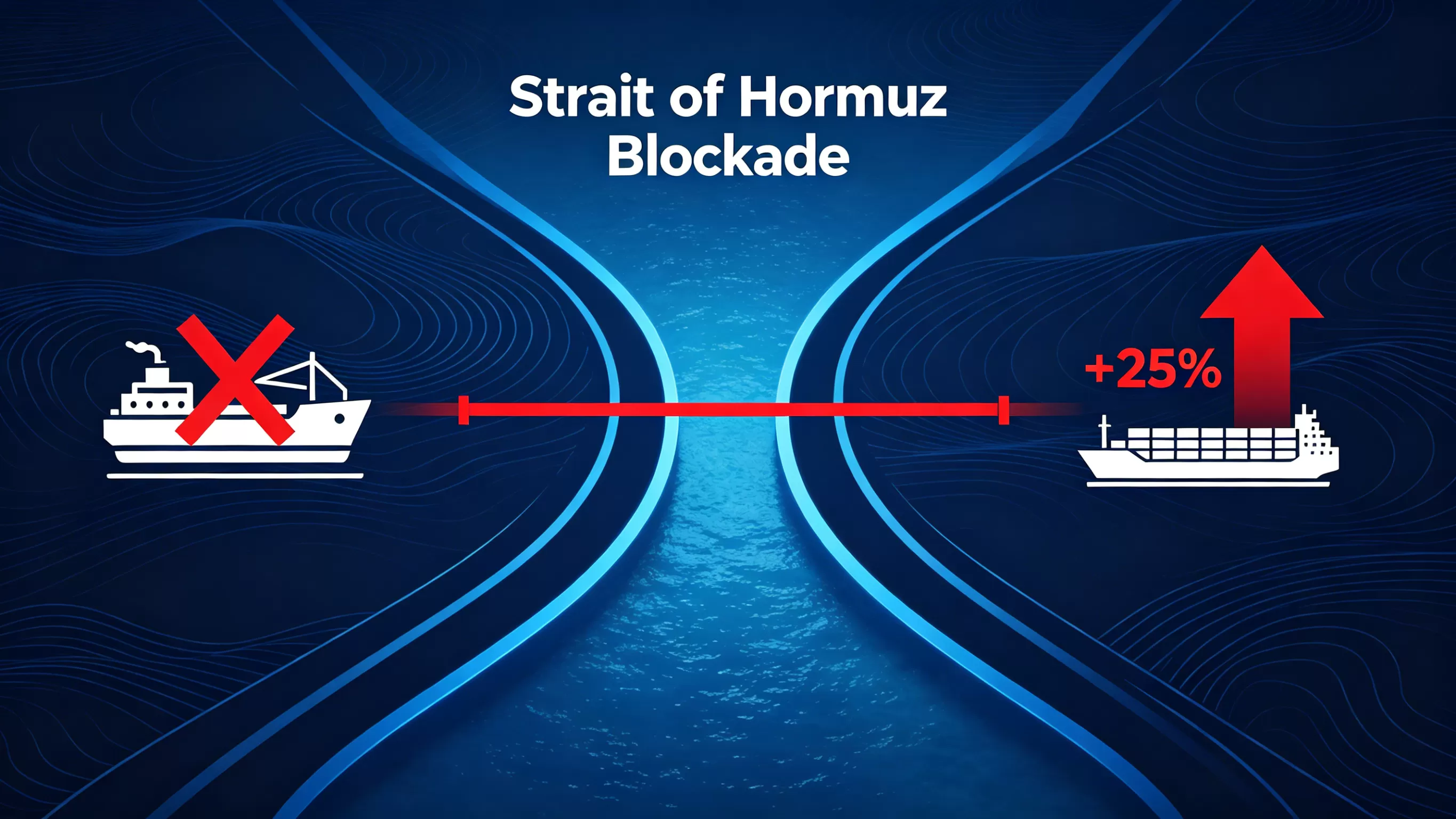
On April 13, the United States announced a blockade of vessels entering or leaving Iranian ports, putting the Strait of Hormuz — a global oil transportation chokepoint — back at the center of geopolitical tension. As a result, transatlantic freight rates surged 25% within a single week, and carriers began imposing additional war risk surcharges.
Key Impacts:
-
Fuel costs and insurance premiums have risen in tandem, pushing up overall transport costs.
-
Vessel scheduling on Middle East routes has been disrupted, with some capacity forced to take longer alternative routes.
-
If the blockade persists, it could trigger ripple effects affecting Asia-Europe and U.S. East Coast routes.
LOADSTAR Recommendation:
Shippers should incorporate geopolitical risk into their second-half cost budgets, secure long-term contract space early, and avoid last-minute bookings that incur passive surcharges. At the same time, evaluate alternative routings (e.g., via the Suez Canal or Cape of Good Hope) and build multi‑channel contingency plans.
III. Carrier Blank Sailings and Diverging Rates: East-West Routes See Polarized Performance
What Happened:
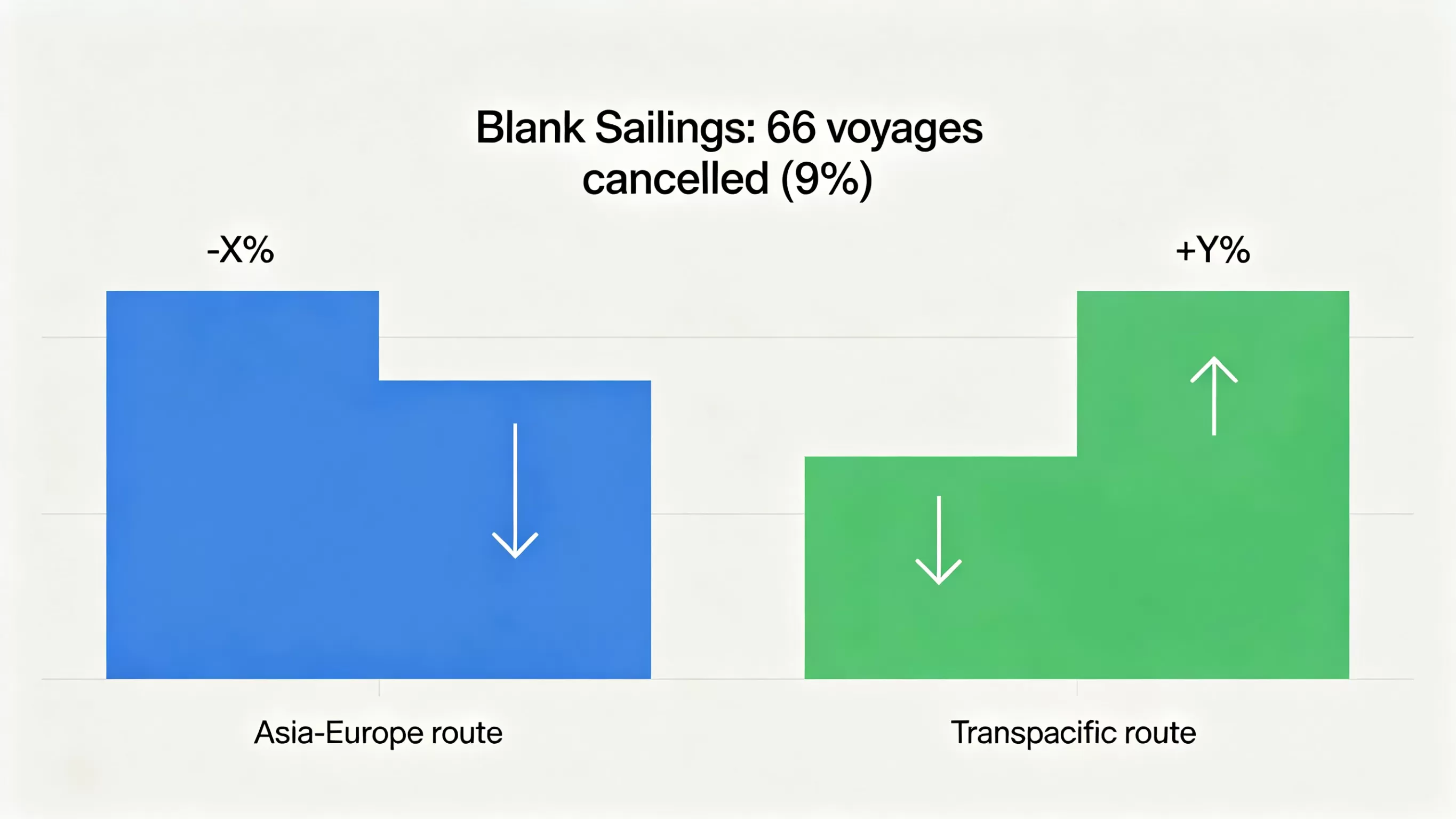
According to industry data, 66 blank sailings are expected on major east-west headhaul routes over the next five weeks, representing an overall cancellation rate of about 9%. On Asia-Europe lanes, rates softened after a brief spike in early April, while transpacific routes (especially to the U.S. West Coast) have remained relatively firm, supported by pre‑peak season restocking demand.
Key Impacts:
-
Blank sailings remain a core tool for carriers to manage capacity and support rates.
-
Increasing divergence between trade lanes requires shippers to tailor their booking strategies accordingly.
-
Spot-market space uncertainty is rising, making early space commitments more valuable.
LOADSTAR Recommendation:
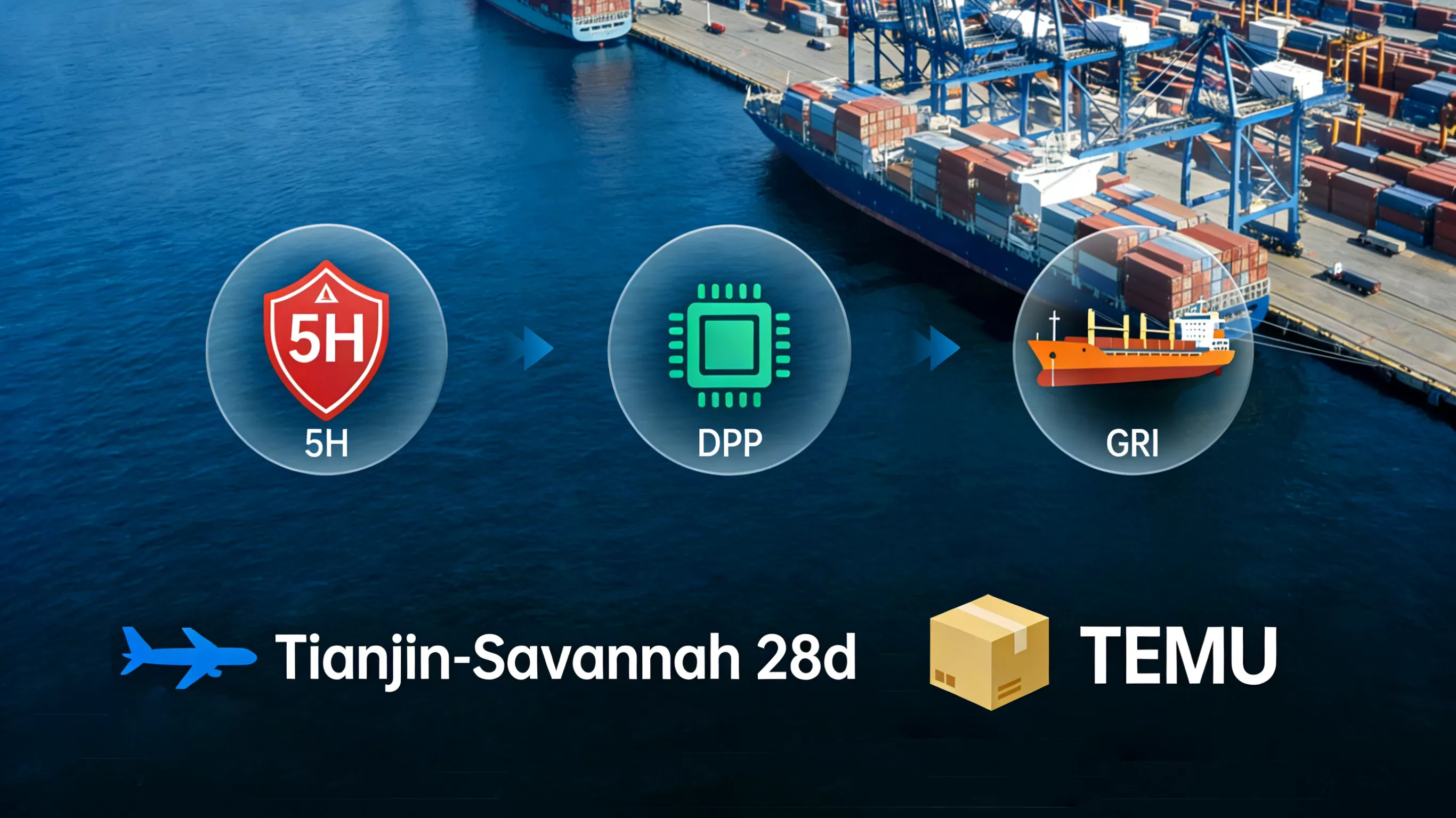
Shippers should establish weekly rate and space communication mechanisms with their logistics partners. For high‑certainty shipment plans, lock in space 2–3 weeks in advance. For transpacific cargo, consider using the new Tianjin‑Savannah direct service (28 days) to help alleviate West Coast port pressure.
IV. Intensified Customs Scrutiny in the U.S. and EU: IP Infringement, Safety Hazards, and Misdeclaration Are Top Risks
What Happened:
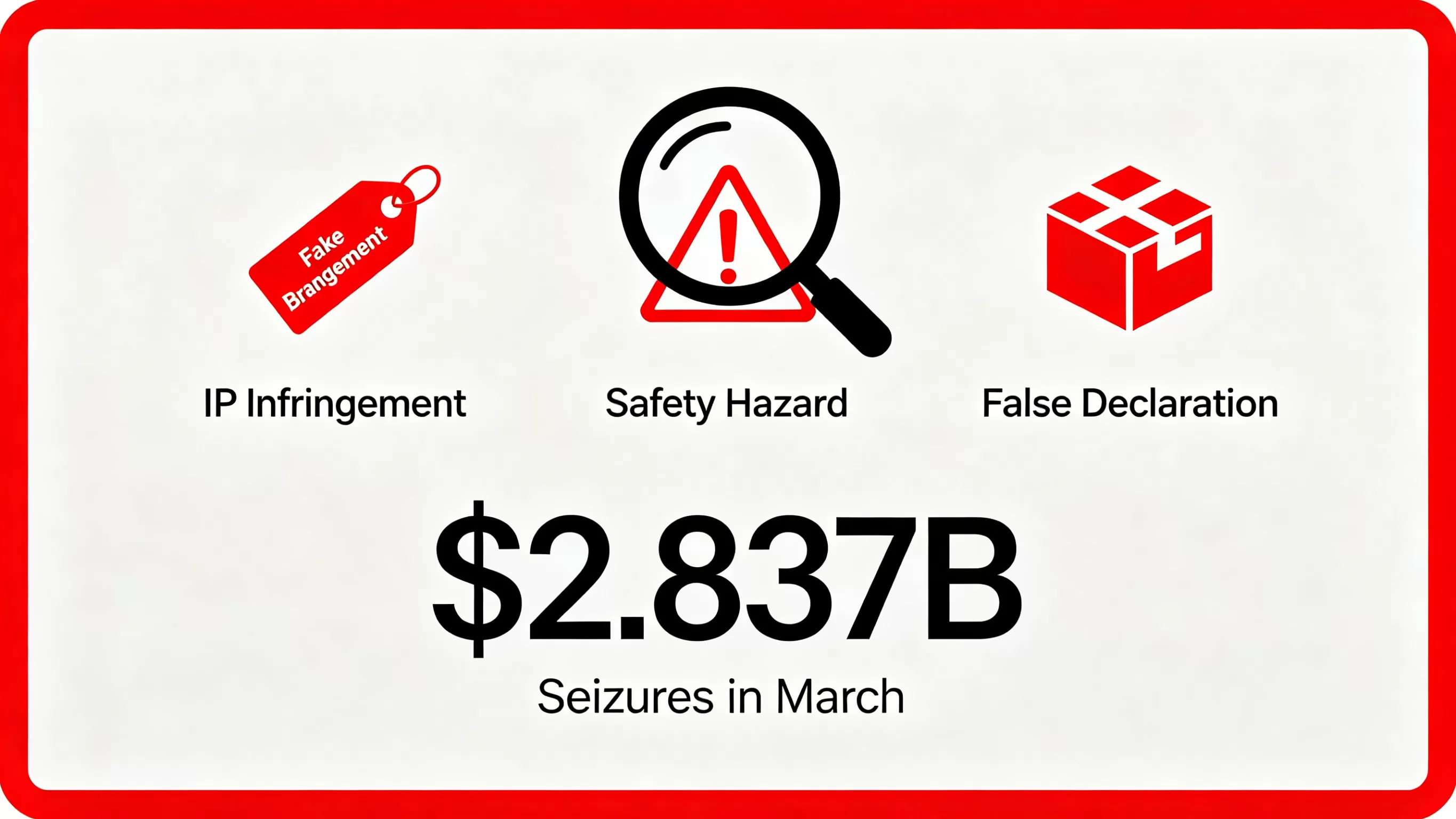
Since the beginning of April, both U.S. Customs and EU customs have stepped up import inspections, focusing on three areas: intellectual property infringement (counterfeit goods, patent violations), product safety hazards (non‑compliance with UL, CE, or other safety standards), and inaccurate declarations (incorrect descriptions, quantities, or values). In March alone, U.S. Customs seized $2.837 billion worth of non‑compliant goods.
Key Impacts:
-
Higher inspection frequency and intensity will lengthen clearance lead times and increase storage and demurrage costs.
-
Infringement or false declarations can lead to seizure, fines, or even revocation of the importer’s bond.
-
For e‑commerce sellers, product compliance certifications have become a "passport" for customs clearance.
LOADSTAR Recommendation:
Exporters should obtain necessary product certifications (e.g., UL, CE, FCC) in advance and ensure that commercial invoices, packing lists, and other declaration documents are absolutely accurate. Work with logistics partners that offer pre‑clearance compliance screening to identify risks before shipment.
V. EU Digital Product Passport Policy Briefing Held: Countdown Officially Begins
What Happened:
On April 9, an EU Digital Product Passport (DPP) policy briefing was held in Xiamen, China. The meeting clarified the DPP implementation roadmap: textiles, electronics, batteries, and other product categories will be gradually included in mandatory requirements between 2027 and 2029. Exporters must complete data system upgrades and third‑party certification integration within 2026.
Key Impacts:
-
The DPP requires full lifecycle traceability of products (raw material sources, carbon footprint, recycling guidelines).
-
Missing data can lead to customs detention, returns, or even market exclusion.
-
Collaborative data collection across the supply chain will significantly increase management costs.
LOADSTAR Recommendation:
Relevant exporters should start compliance preparations immediately: categorize product lines, engage with accredited certification bodies, and upgrade data management systems. Partner with logistics providers offering DPP pre‑screening capabilities to ensure document integrity and data verifiability at customs clearance.
VI. Six Chinese Ministries Issue Policy to Strongly Support Overseas Warehouses and Compliant Cross‑Border Trade
What Happened:
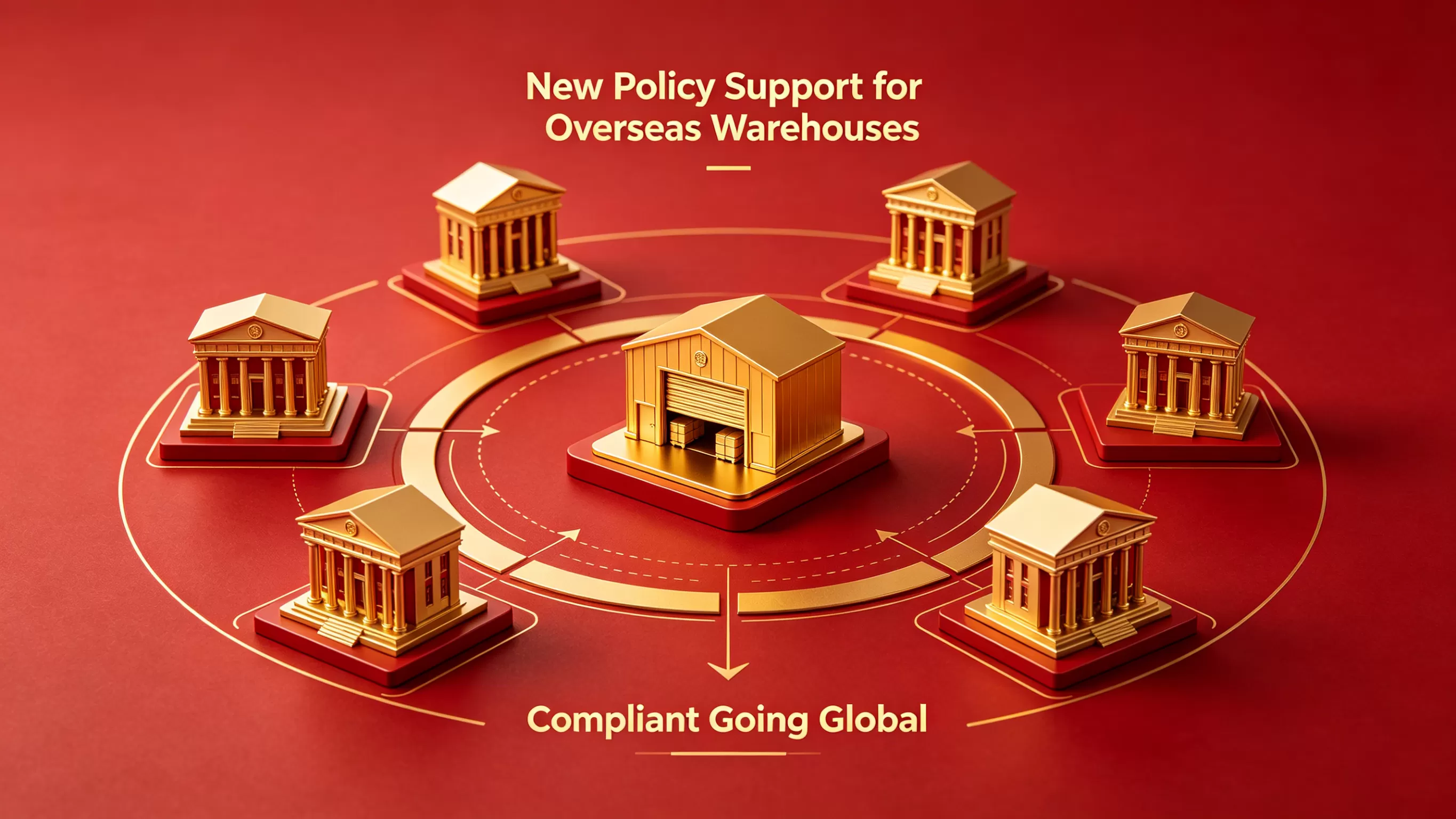
On April 7, six ministries including the Ministry of Commerce jointly issued the "Guiding Opinions on Promoting the High‑Quality Development of Cross‑border E-commerce Overseas Warehouses." The document explicitly calls for strong support for overseas warehouse construction, the formulation of compliance guidelines for going global, and the development of integrated models such as "market procurement + cross‑border e‑commerce."
Key Impacts:
-
Overseas warehousing has moved from an "option" to a "main track" encouraged by policy.
-
Compliant cross‑border operations will become a prerequisite for accessing policy benefits.
-
Innovative models like "market procurement + cross‑border e‑commerce" may lower the barrier to entry for small and medium‑sized sellers.
LOADSTAR Recommendation:
Sellers should actively monitor local subsidies and facilitation policies for overseas warehouses and evaluate the cost‑efficiency trade‑offs between self‑operated and third‑party warehouses. At the same time, incorporate compliance capability building into annual budgets to lay the groundwork for benefiting from policy support.
VII. Cross‑Border E-commerce Return Across Customs Districts Fully Rolled Out – After‑Sales Costs Expected to Drop
What Happened:
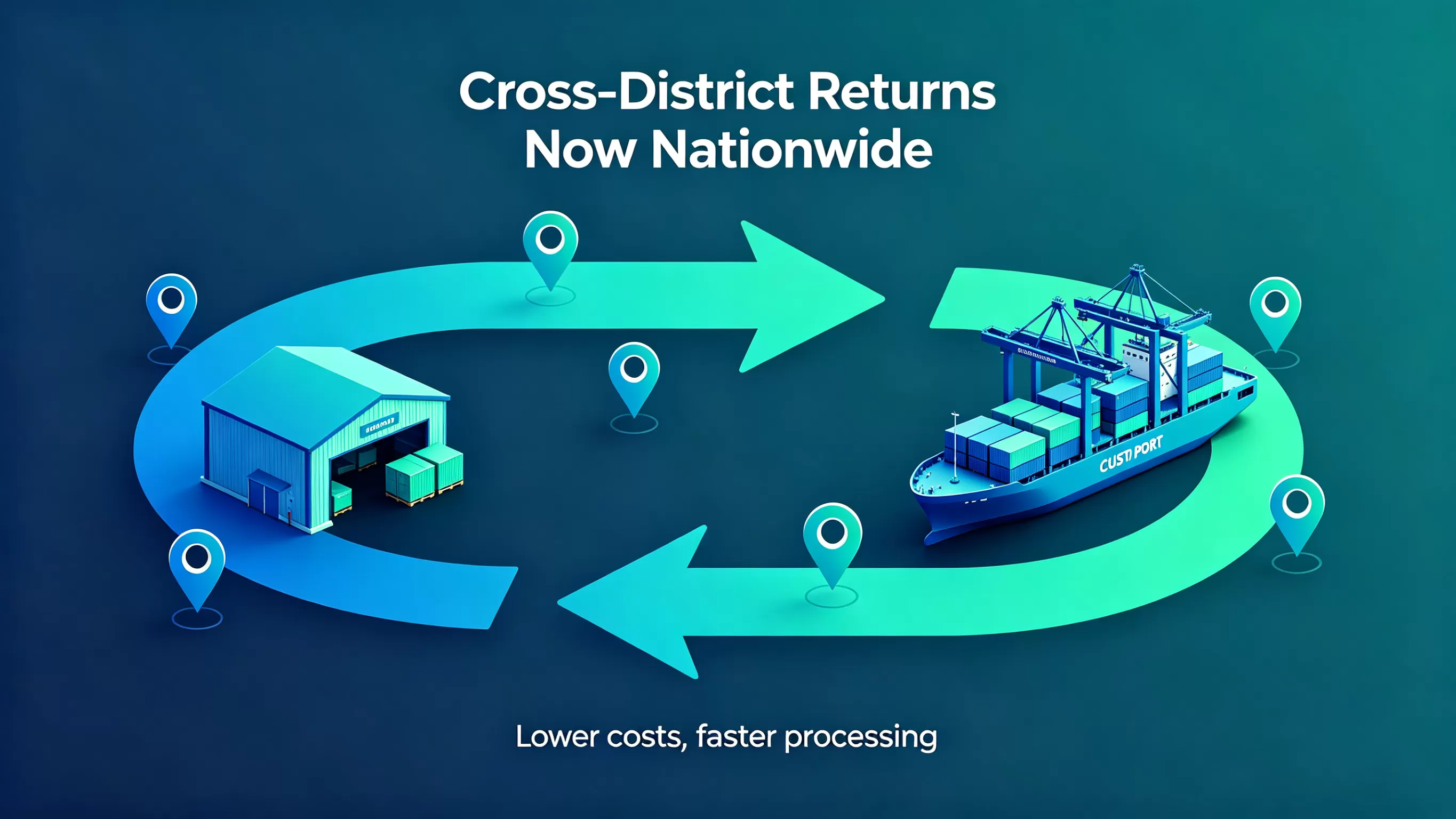
Effective April 1, the cross‑border e-commerce retail export return model allowing returns through any customs district was fully implemented nationwide. Previously, this model was only available at certain pilot ports. The new policy allows sellers to choose any port for return processing, eliminating the need to ship returned goods back to the original export port.
Key Impacts:
-
Return logistics costs are significantly reduced (no need to transport cross‑border to the original port).
-
Return processing times are shortened, improving customer after‑sales experience.
-
Sellers gain greater flexibility in managing overseas inventory allocation.
LOADSTAR Recommendation:
Sellers should reassess their current returns processing workflows and partner with logistics providers capable of handling cross‑district returns. Turn the cost savings from this policy into a competitive advantage through improved customer satisfaction.
VIII. Shenzhen Tax Authorities Crack Down on Freight Forwarder Invoicing Violations – A Compliance Wake‑Up Call
What Happened:
Since early April, several international freight forwarders in Shenzhen have received tax audit notifications. The issue centers on misclassifying taxable income from port handling, warehousing, and customs brokerage as internationally‑exempt transportation services, resulting in underpayment of VAT. Tax authorities have clarified that such income is subject to a 6% VAT rate.
Key Impacts:
-
Forwarders' tax compliance costs will rise, potentially leading to higher service quotes.
-
The industry faces a compliance shakeout; non‑compliant small and medium‑sized forwarders may be eliminated.
-
When selecting logistics partners, shippers should pay attention to their tax compliance records.
LOADSTAR Recommendation:
When choosing logistics service providers, shippers should include tax compliance as a key evaluation criterion and prioritize financially sound, reputable partners. Request compliant VAT invoices from logistics providers to ensure your own tax deduction chain remains intact.
LOADSTAR SHIPPING Observation
The dense stream of developments in April sends a clear signal: global logistics is shifting from "cost‑first" to "compliance‑first and resilience‑first."
-
The Strait of Hormuz blockade reminds us that geopolitical risk has become a lasting variable.
-
The normalization of U.S. "5H" inspections and the countdown to the EU DPP together signal the end of "gray‑area customs clearance."
-
The six‑ministry policy and the full rollout of cross‑district returns provide new tools and pathways for compliant cross‑border trade.
Three Recommendations for Shippers and Sellers:
-
Conduct an immediate compliance self‑audit. Focus on the five categories of "5H" documents, product safety certifications, and tax invoice accuracy. April is your window – don't wait until the peak season to scramble.
-
Factor geopolitical risk into your cost budgets. The Hormuz blockade may persist. Secure long‑term contract space early and build multi‑channel logistics contingency plans.
-
Actively capture domestic policy dividends. Monitor overseas warehouse subsidies and cross‑district return policies. Deepen collaboration with logistics partners that offer both compliance capabilities and innovative models.
Markets will always face turbulence. True competitive advantage lies not in finding the lowest freight rate, but in securing reliable delivery and predictable service amid uncertainty. In this new era of heightened compliance, rising costs, and regional restructuring, LOADSTAR SHIPPING is committed to being your guide – interpreting the rules, providing early warnings, and optimizing your path forward.
Have questions about how these changes impact your supply chain? Contact the LOADSTAR SHIPPING team for tailored compliance and logistics optimization solutions.